Frequently Asked Questions
How has dance evolved?
Dance has evolved from traditional folk dances to contemporary styles, incorporating diverse cultural influences, technological advancements, and innovative choreography to express a wide range of emotions and narratives.
How did dance evolve through time?
Dance has evolved from ancient rituals and folk traditions to sophisticated artforms, incorporating diverse styles and techniques that reflect cultural influences and technological advancements over time.
What influenced early dance styles?
Early dance styles were influenced by cultural traditions, religious rituals, and social gatherings. These included folk dances, ceremonial dances, and social dances that emerged across various regions and civilizations.
Who pioneered contemporary dance movements?
Martha Graham, Merce Cunningham, and Isadora Duncan are considered pioneers of contemporary dance movement.
When did classical ballet originate?
Classical ballet originated in the 15th century Italian Renaissance courts, later developing in 17th century French royal courts and becoming formalized in the 18th century.
How do cultural dances develop?
Cultural dances develop through the preservation and evolution of traditional movements, music, and rituals passed down through generations within a community. These dances reflect the unique history, beliefs, and identity of the culture, often adapting to external influences over time.
What changes affected ballroom dancing?
Ballroom dancing has evolved over time, with changes such as the emergence of new dance styles, shifts in cultural influences, and advancements in dance technique and performance.
Which era altered dance the most?
The Romantic era in the 19th century significantly altered dance, with shifts towards greater emotional expression, the rise of ballet as a performing art, and the emergence of iconic ballets like Swan Lake and The Nutcracker.
How do social trends impact dance?
Social trends shape dance styles, choreography, and participation. Popular music, cultural influences, and evolving audience preferences drive changes in dance forms over time. Dance often reflects and responds to societal shifts.
How does technology shape dance practices?
Technology has revolutionized dance practices by enabling virtual classes, remote collaboration, motion capture for choreography, and innovative stage/lighting effects. It has expanded access, creativity, and performance capabilities in the dance industry.
What role does music play in dance evolution?
Music is the driving force behind dance evolution, providing the rhythm, tempo, and emotional expression that inspires and shapes the development of new dance styles and techniques.
How do historical events affect dance styles?
Historical events significantly shape dance styles, as they reflect cultural, social, and political changes. Dance evolves in response to wars, revolutions, technological advancements, and shifting societal norms, influencing the themes, movements, and techniques adopted by dancers and choreographers.
Can dance evolution reflect societal changes?
Dance evolution can reflect societal changes by incorporating new styles, movements, and themes that mirror cultural shifts, technological advancements, and social dynamics. The transformative nature of dance allows it to adapt and evolve alongside societal transformations.
Which dance forms originated in the 20th century?
Some dance forms that originated in the 20th century include:
Tap dance
Ballroom dances such as the Foxtrot, Waltz, and Tango
Contemporary dance
Hip-hop dance
How have dance costumes evolved with time?
Dance costumes have evolved from traditional attire to more diverse, innovative, and expressive designs that reflect changing styles, cultural influences, and technological advancements over time.
What sparked the evolution of street dance?
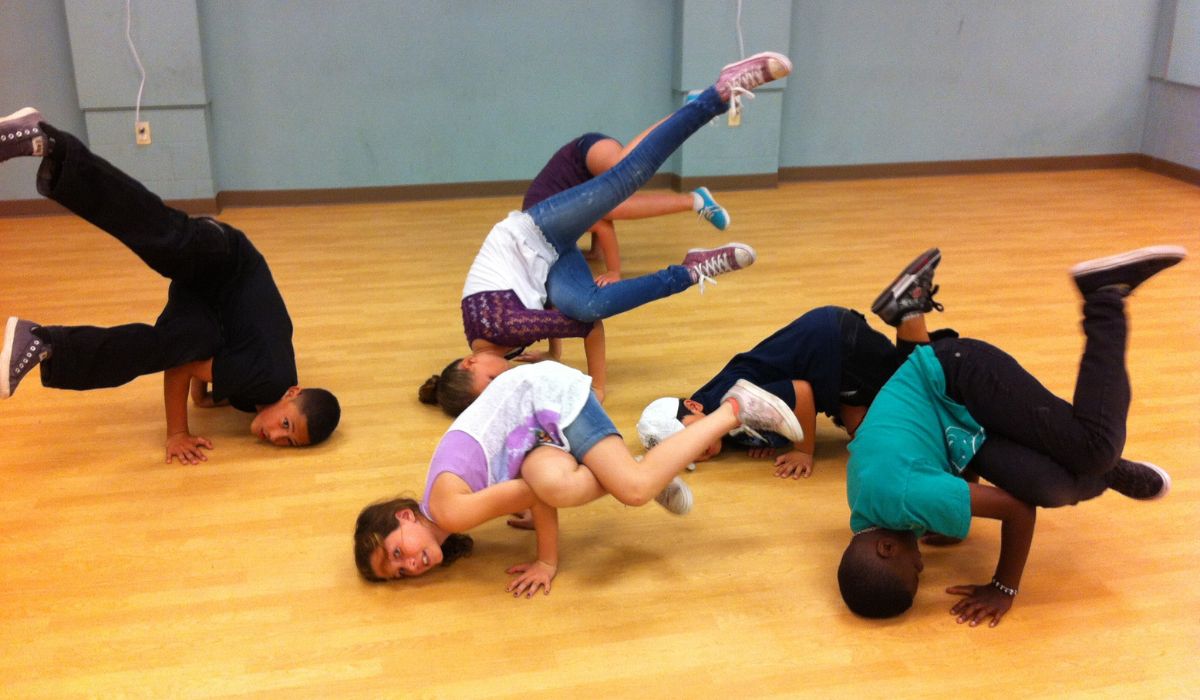
Street dance evolved from the urban African-American and Latino communities in the 1970s. Styles like break dancing, locking, and popping emerged as expressions of youth culture, defying traditional dance norms and reflecting the social and political climate of the time.
How has globalization influenced dance forms?
Globalization has facilitated the cross-cultural exchange of dance forms, enabling the fusion and evolution of diverse styles worldwide. It has increased accessibility, exposure, and appreciation of global dance traditions.
Which dance styles merged to create new genres?
Over time, various dance styles have blended and evolved, creating new dance genres such as contemporary, hip-hop, and fusion styles that combine elements from different cultural traditions.
How have dance competitions evolved?
Dance competitions have evolved to showcase diverse styles, emphasize artistic expression, and promote a more inclusive and supportive environment for participants. Technological advancements have also transformed the experience, allowing for innovative formats and higher production values.
What caused the shift to modern dance?
The shift to modern dance was driven by a desire to move beyond the technical limitations and formality of classical ballet, emphasizing expression, individuality, and new forms of movement. Influential pioneers like Isadora Duncan, Martha Graham, and Merce Cunningham pioneered innovative techniques and styles that redefined the art form.
When did dance become a professional career?
Dance became a professional career in the late 15th century when ballet emerged as a public performance art in the Italian Renaissance courts. Over time, it evolved into a specialized field with professional dancers, choreographers, and companies.
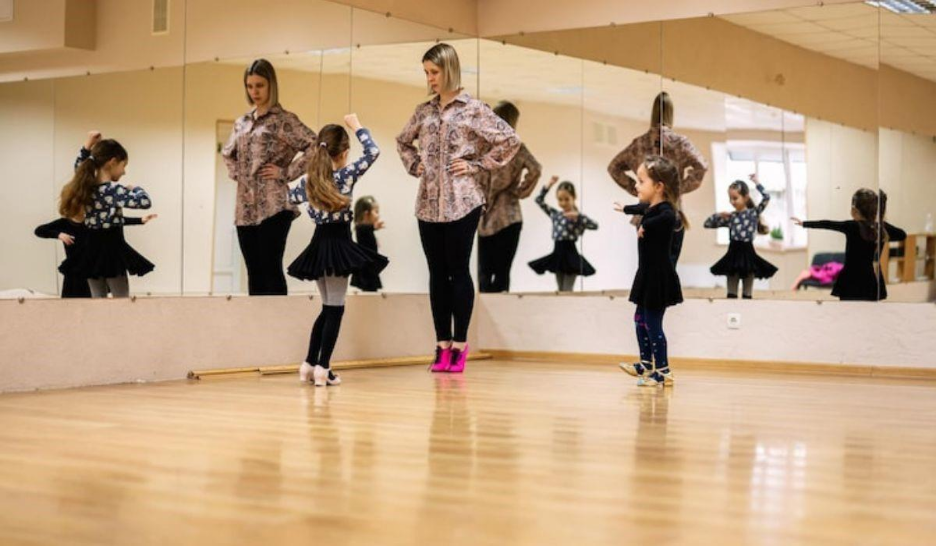
How have dance teaching methods evolved?
Dance teaching methods have evolved to incorporate more personalized, interactive, and technology-enhanced approaches. These include virtual classes, video tutorials, and adaptive curriculums tailored to individual student's needs and learning styles.
What impact did television have on dance evolution?
Television played a significant role in the evolution of dance, enabling the widespread dissemination of dance styles, trends, and performances, and shaping the development of dance as an art form and popular culture phenomenon.
How did dance films influence dance trends?
Dance films like "Saturday Night Fever," "Dirty Dancing," and "Step Up" popularized specific dance styles and inspired audiences to take up dancing. These movies showcased energetic choreography and captivating performances, driving dance trends in the following decades.
What is the future of dance innovation?
The future of dance innovation lies in the seamless integration of technology, interactive experiences, and diverse choreographic styles that push the boundaries of human expression and audience engagement. Dance will continue to evolve, embracing new mediums and collaborations to create transformative, immersive performances.
How have international collaborations influenced dance?
International collaborations have exposed dancers to diverse styles, fostered cultural exchange, and enabled the fusion of techniques, broadening the creative landscape and driving the evolution of dance worldwide.
How did colonialism affect traditional dances?
Colonialism often disrupted and suppressed traditional dance practices, as colonial powers enforced their own cultural norms. Many indigenous dance forms were abandoned or forced to evolve to meet the demands of the colonizers.
What are the newest emerging dance styles?
Some of the newest emerging dance styles include:
Afrobeats
K-pop
Dancehall
Waacking
Vogue
These styles are gaining popularity, especially among younger dancers, and incorporate elements of traditional African, Caribbean, and urban dance forms.
How does dance therapy evolve with society?
Dance therapy evolves with society by adapting to address emerging mental health needs, incorporating diverse cultural influences, and leveraging technological advancements to enhance accessibility and personalization of therapeutic experiences.
Why do some dance forms remain unchanged?
Some dance forms remain unchanged due to their deeply rooted cultural significance, the desire to preserve traditional practices, and the importance of maintaining the integrity and authenticity of the art form.